
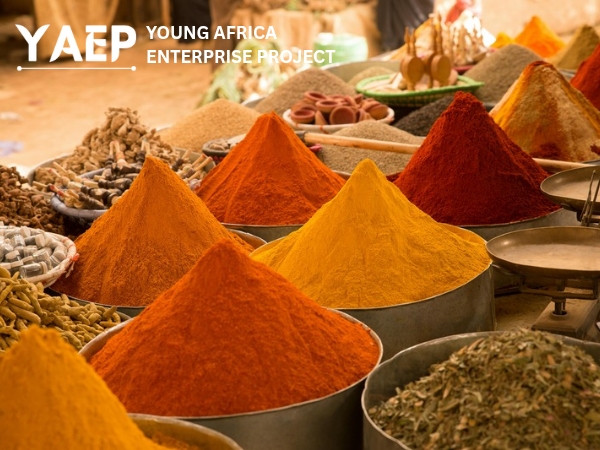
There has never been a better time for African entrepreneurs in food production than now. Recent findings from a groundbreaking study conducted by Radboud University Medical Center (Netherlands) and KCMC University (Tanzania) have shed new light on the health benefits of African diets—and the results are eye-opening.
While numerous global studies have explored the impact of diet on health, African populations have often been overlooked. But this first-ever African Diet Study reveals what many already knew intuitively: traditional African diets are exceptionally beneficial for overall well-being.
Rich in vegetables, legumes, fruits, cereals, and fermented foods, African diets offer a wide variety of nutrients that support immunity and metabolism. Yet, despite this richness, African food systems have been underrepresented in both nutritional and immunological research—especially when compared to the highly publicized Mediterranean and Japanese diets.
At the same time, Western dietary habits—high in processed foods and calories—are becoming more prevalent in Sub-Saharan Africa, contributing to a surge in noncommunicable diseases such as diabetes, cardiovascular conditions, and chronic inflammation. These diseases are already straining health systems across the region.
But here’s the turning point: the rising global awareness of the value of African diets is attracting attention and investment. Africa is being recognized as a future global food hub, and the door is wide open for innovation, production, and export in the food industry.
This is where young entrepreneurs come in.
Programs like the Young Africa Enterprise Project (YAEP) are empowering the next generation of African business leaders by offering funding and support for ventures in food production. With access to capital, mentorship, and global markets, Africa’s young innovators have a unique chance to build businesses that are not only profitable but also sustainable and culturally rooted.
The future is green, and Africa is ripe with opportunity. For entrepreneurs in food production, the moment to act is now.